
How Often Does A Septic Tank Need Cleaning?
The 3 to 5 year range is a starting point, not a rule that fits every property in Las Cruces. Tank size drives most of the variation. A smaller tank serving a full household fills faster than a larger tank serving two people, so the math has to account for both sides. Water use matters too. Long showers, garbage disposals and back to back laundry loads all push solids into the tank faster than normal. Homes with older systems, or systems installed before current sizing practices, sometimes need shorter intervals just to stay ahead of buildup, and a look at septic tank pumping cost helps with budgeting either way. If you're not sure where your property falls, septic tank pumping cost in Las Cruces gives you a sense of what a routine visit runs, and septic tank warning signs covers what shows up before a tank backs up. For anyone renovating or adding bathrooms, pair that work with a look at septic pumping service scheduling so the tank isn't caught off guard mid-project.
What Happens If You Wait Too Long Between Pumpings?
Solids build past the point a tank can handle, and that backup finds the weakest point in the system, usually a drain or the tank lid itself. Once solids escape the tank, they clog the drain field, and a clogged drain field costs far more to fix than a pump-out ever would. This is the outcome every maintenance schedule is trying to prevent, and it's the same logic behind construction site services planning ahead for sanitation before a project starts. If a system backs up on a weekend, emergency septic service is the faster path than waiting for a Monday appointment. Homes running a business out of a kitchen, like a home bakery or catering operation, should also check whether their setup crosses into grease trap territory. A grease interceptor gets pumped once fats, oils, grease and solids reach 25 percent of the liquid depth, and that's a separate maintenance clock from the main tank, distinct from what a septic tank cleaning visit covers on the residential side. Grease trap pumping covers that side specifically, and septic tank cleaning is the broader service page if you're comparing what a full cleaning includes versus a straight pump-out.
Why Does Household Size Change The Pumping Schedule?
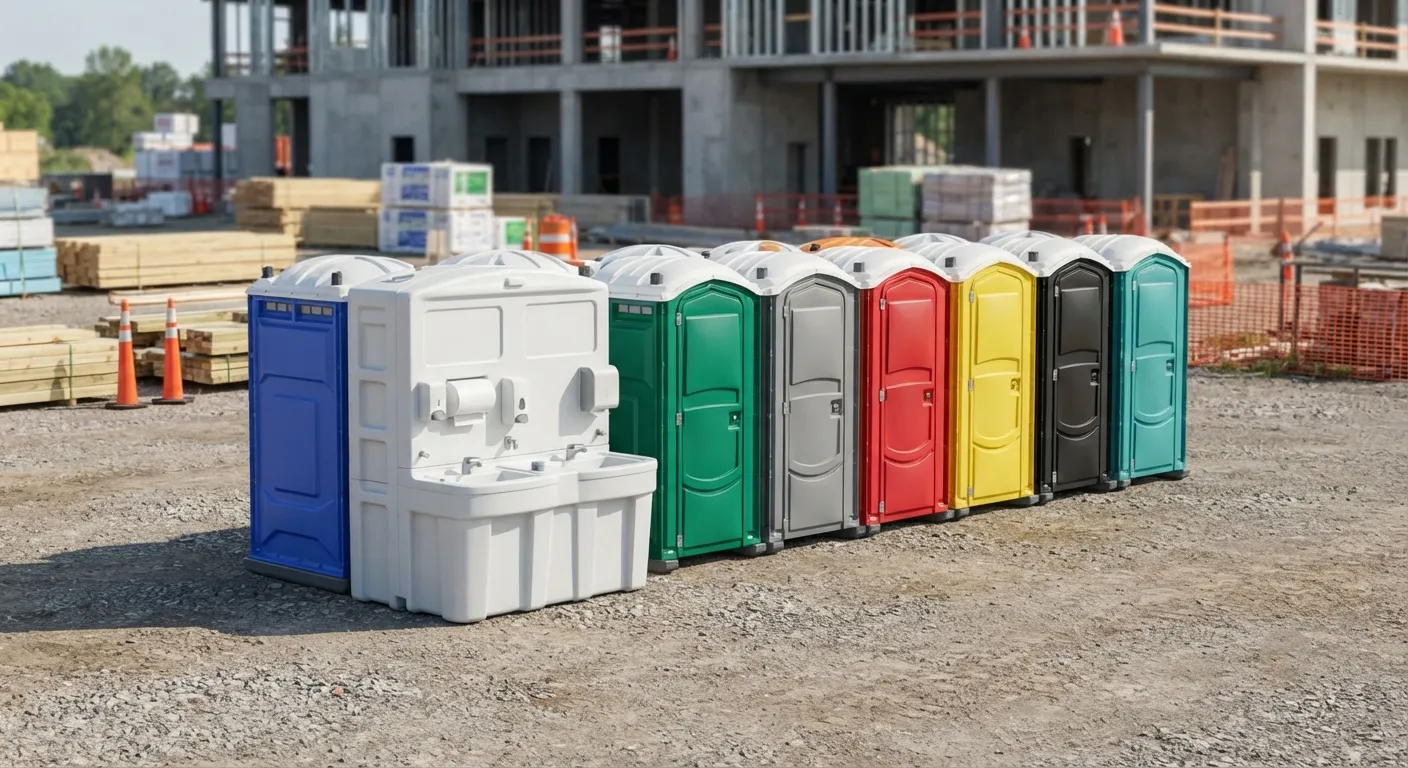
More people means more water in, more solids settling out, and a shorter runway before the tank fills. A two-person household in Las Cruces might stretch close to the 5-year mark, while a household of six or more often needs service closer to the 3-year end, sometimes sooner if the tank is undersized for the property. Renovation projects add another variable. A home addition that adds a bathroom changes the load on a system that was sized for the original layout, and that's worth flagging before, not after, the new plumbing goes in, the same way a portable toilet rental covers a household during the work itself. If you're mid-renovation and short on working restrooms, home renovation porta potty rental keeps a household functional while contractors are on site. Properties without a connected system at all sometimes rely on a dedicated tank instead, and holding tank rental is worth a look for that setup. Agricultural properties near Las Cruces have their own standard: OSHA 1928.110 sets field sanitation requirements for hand-labor employees, calling for one facility per 20 workers within a quarter mile walk, which is a different frequency question entirely from a home septic schedule, closer to what farm and agricultural restrooms planning covers for a working property.
When Should You Call For Septic Service Instead of Waiting?
Slow drains, gurgling pipes, or standing water near the drain field mean it's time to call now, not at the next scheduled interval. Waiting past those signs is how a routine pump-out turns into a drain field repair, similar to how ignoring porta potty warning signs on a rented unit lets a small problem grow. How often to pump a septic tank is the scheduling question, but septic tank warning signs is the page to check the moment something feels off. Standard maintenance pricing runs inside a set range, shown below for comparison against emergency rates, and it's worth checking against dumpster rental cost if a renovation project needs both services at once.
| service | duration | typical price |
|---|---|---|
| septic pumping | day rate | $250 |
| septic pumping | weekend rate | $100 |
Weekend septic calls in Las Cruces run higher than a standard weekday visit, since it's treated as a premium short-notice rate rather than routine scheduling. Booking ahead of the season, rather than after a backup starts, keeps costs on the lower end of that range. Properties near San Ysidro, 4.4 miles northwest of Las Cruces, or out toward Doña Ana, 6.8 miles north, sometimes deal with longer response windows for emergency calls, so scheduling routine pumping ahead of time matters even more outside the city core. Fairacres, 4.5 miles southwest, and University Park, 5.0 miles southeast, fall into that same pattern, and porta potty rental in University Park covers sanitation needs for that stretch specifically. For general service area coverage across all these communities, service areas lists what Las Cruces Porta Pros reaches beyond the city itself, and the contact page is the fastest way to confirm a specific address.
How do I know what size tank I have?
Check your property records or septic permit paperwork first; tank size is usually listed there. If records are missing, a technician can measure it during a routine visit. Tank size, paired with household size, is what actually sets your realistic pumping interval, not a flat calendar rule.
Does a garbage disposal change the schedule?
Yes. A disposal sends more solids into the tank than a household without one, which fills the tank faster and shortens the interval between pump-outs. Households running a disposal daily often land closer to the 3-year end of the 3 to 5 year range.
Can I pump the tank myself?
No. Septic pumping requires a vacuum truck and proper disposal, which isn't equipment most homeowners own or want to run. Call a licensed service instead; septic pumping service covers what a standard visit includes.
What's the difference between septic cleaning and pumping?
Pumping removes liquid and solids from the tank. Cleaning goes further, breaking up and removing solids stuck to the tank walls and baffles. Septic tank cleaning breaks down when each service makes sense for a given system age.
Is a full tank an emergency?
Not always, but a backed-up drain or sewage surfacing in the yard is. Emergency septic service is worth calling immediately in that situation rather than waiting for a scheduled slot.
Next step
Get a delivery date
Tell us the address, the dates and the headcount. We size the order and confirm the route.